Bulk Trucking Explained: Essential Services for Streamlined Cargo Delivery
Bulk trucking serves as a crucial component in the logistics of transporting large volumes of goods. It spans numerous sectors, guaranteeing that supplies are transported effectively and with maximum cost efficiency. By using dedicated trucks, this service reduces the hazards related to manipulation and boosts delivery swiftness. Nevertheless, the environment of bulk trucking is changing rapidly. Grasping its complexities can offer perspective on its increasing importance in contemporary distribution systems. Which elements lead to its success?
Bulk Trucking Explained?
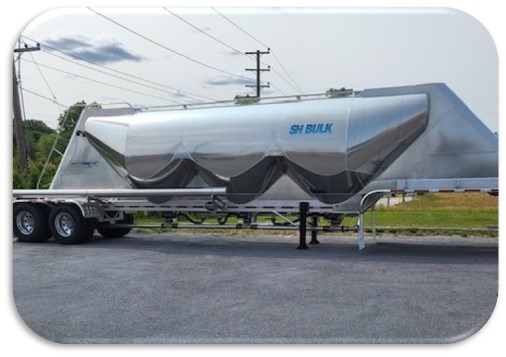
Bulk transport involves the movement of substantial volumes of goods, usually in liquid or granular state, using specialized vehicles. This method is crucial for industries requiring the movement of heavy freight, such as agribusiness, chemical processing, and infrastructure. Bulk haulers, such as tankers for fluids and hopper trucks for dry materials, are designed to efficiently manage and transport these bulk commodities.
The management of bulk transport demand precise preparation and coordination, ensuring that the right vehicle is used for specific materials to avoid spoilage and harm. Furthermore, rules overseeing bulk movement necessitate following safety protocols, especially concerning dangerous goods.
Bulk trucking plays a significant role in the supply chain, aiding the quick movement of necessary supplies and simultaneously reducing expenses linked to hauling. By employing this technique, businesses can streamline their operations, ensuring a steady flow of materials necessary for production and other processes.
Key Benefits of Bulk Trucking
Despite the existence of numerous hauling techniques, bulk trucking provides unique benefits that can greatly enhance operational efficiency for numerous sectors. One significant benefit is cost-effectiveness; bulk trucking often reduces per-unit shipping costs thanks to the power to haul big loads concurrently. This efficiency translates into lower overall transportation expenses, establishing it as a compelling alternative for businesses.
Additionally, bulk trucking provides flexibility in scheduling and routing, allowing companies to adapt quickly to shifting requirements. The capacity to carry a wide range of freight, ranging from raw materials to finished products, makes it even more appealing.
In addition, bulk trucking can accelerate transit times, as optimized processes and direct routes reduce the time spent in transit. Improved load management also means less manual handling, diminishing the risk of damage during transport. In summary, these key benefits establish bulk trucking as an vital logistical tool for industries looking for reliability and efficiency in their supply chains.
Categories of Bulk Cargo Moved
A wide range of industries utilize bulk trucking to transport a wide range of cargo types. A key category includes farm commodities, like grains, fertilizers, and animal feed. This cargo is usually moved in high volumes, meaning specialized bulk trucks are needed designed for efficient loading and unloading.
Additionally, construction materials such as sand, gravel, and cement are commonly moved using bulk trucking services. These goods are crucial to various construction projects and demand on-time delivery to keep projects on schedule.
Chemical products, including liquids and dry chemicals, also constitute a significant portion of bulk cargo. This cargo requires careful handling and compliance with safety regulations during transport.
Moreover, food products, including sugar and flour, are transported in bulk to satisfy manufacturing and distribution needs. In conclusion, the wide variety of bulk cargo showcases the versatility and importance of bulk trucking in helping various parts of the economy.
How Technology Affects Bulk Trucking
How has technology revolutionized the field of bulk trucking? The use of advanced technology has boosted operational efficiency and safety within the bulk trucking industry. GPS systems permit real-time monitoring of cargo and vehicle locations, which helps ensure timely deliveries and improved route planning. Moreover, telematics has become a vital tool, providing critical data on vehicle performance, fuel consumption, and driver behavior, which ultimately results in cost savings and reduced environmental impact
(Illinois top rated Bulk Trucking)Furthermore, automated systems for inventory management optimize loading and unloading processes, minimizing delays and maximizing productivity. Communication technologies also hold a key position, connecting drivers, logistics supervisors, and customers seamlessly. This integration fosters transparency and enhances customer service by giving reliable status reports on shipment status. With the ongoing evolution of the sector, such technological progress will continue to transform bulk hauling, fostering new complete article ideas and improving service quality in a highly competitive space
Finding the Ideal Bulk Trucking Partner
Choosing the right bulk transport provider is vital for businesses looking to improve their logistical processes. Firms ought to commence by assessing their unique freight needs, such as the kind of goods being hauled and the volume. Checking the copyright's history in dealing with like deliveries offers valuable perspective on their competence.
In addition, companies must examine the service's operational reach, to verify the transport firm can promptly get to the planned endpoints. Another important factor is the copyright's history of safety and following of regulatory standards, which significantly influences overall service reliability.
The expense is another crucial element; however, firms need to measure the price versus the standard of service so as not to sacrifice on important factors. Finally, customer support and communication practices are essential in maintaining transparency during the entire delivery operation. By thoroughly examining these factors, firms may pick a bulk hauling partner which fits their functional demands and goals.
Popular Questions and Answers
What Are the Typical Costs For Bulk Transport Services?
The usual costs involved in bulk hauling comprise the cost of fuel, labor costs, upkeep charges, insurance, and road fees. In addition, fees might change depending on the mileage, cargo type, and sector needs, impacting overall pricing structures.
How Do I Prepare My Cargo for Bulk Transport?

To ready your load for bulk transport, guarantee proper packaging, confirm the load is stable, check the maximum allowed weight, and clearly tag the contents. Furthermore, check for any wear and tear and adhere to safety rules to allow for smooth transit and delivery.
What Are the Necessary Safety Standards to Bulk Trucking?
Safety regulations for bulk trucking include adhering to weight limits, adequate load securement, following hazmat protocols, routine truck maintenance checks, and driver training requirements to ensure secure transport and lower the risk of mishaps. - Illinois top rated Bulk Trucking
- Illinois top rated Bulk Trucking
How Do Bulk Haulers Address Transportation Delays?
Bulk trucking companies handle setbacks by communicating proactively with clients, revising delivery schedules, and diverting shipments if required. They also utilize technology to keep tabs on loads, providing real-time information and lessening disturbances in the logistics network.
Do Bulk Carriers Offer International Transportation Services?
Certainly, bulk transport supports global shipping by partnering with logistics providers and utilizing specialized equipment. These companies verify conformity with foreign laws, enabling smooth international movement for various bulk commodities while maintaining efficiency and safety.