Understanding Bulk Trucking: Crucial Services and Their Influence on Logistics
Bulk transport is vital in managing logistics. It includes vital services such as liquid bulk hauling and hauling dry bulk. Illinois top rated Bulk Trucking. These services aim to enhance the efficiency of the supply chain, reduce costs, and ensure deliveries are timely. However, the intricate processes involved in bulk trucking raise questions about safety, equipment, and what the future holds. Grasping these dynamics offers valuable insights into how logistics can succeed and adapt in a fast-paced environment
The Importance of Bulk Trucking in Supply Chain Management
Efficiency is a cornerstone of contemporary supply chain operations, and bulk trucking is essential in boosting this efficiency. Bulk transport enables the transportation of vast amounts of materials, reducing the number of trips required and minimizing fuel consumption. This method of transport allows companies to optimize their logistics, guaranteeing materials arrive at production facilities and products arrive at retail outlets in a timely manner. Through shipment consolidation, bulk trucking lowers operational costs and contributes to improved inventory management. Furthermore, it facilitates just-in-time delivery systems, which are vital for minimizing waste and keeping production on track. The ability to transport diverse materials, from raw resources to final products, further underscores the importance of bulk trucking in ensuring a smooth supply chain. Given the competitive marketplace, the gains in efficiency offered by bulk trucking are crucial for businesses aiming to improve their operational efficiency and satisfaction of customers.
Categories of Bulk Transport Services
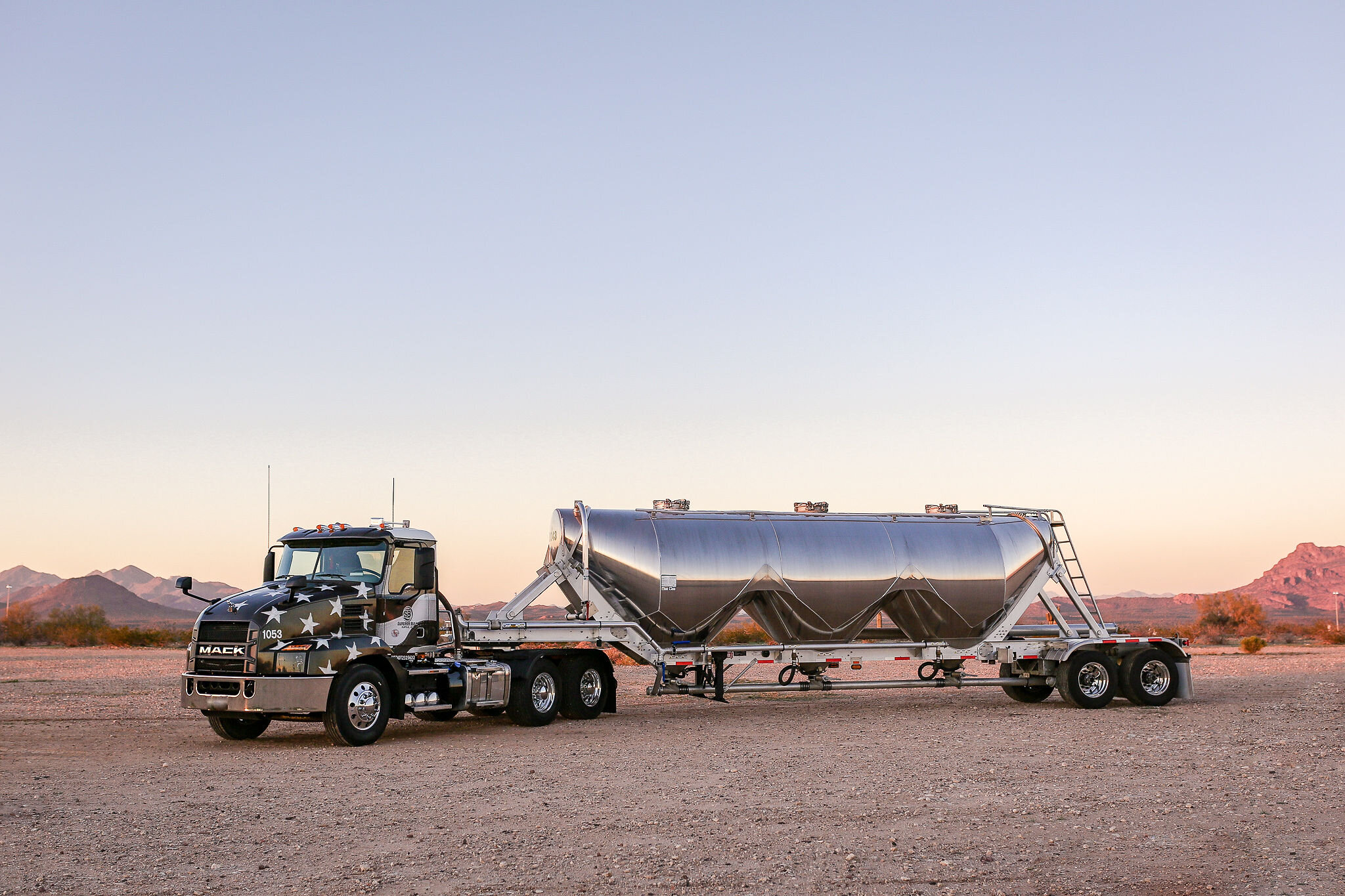
Bulk transport operations are classified primarily into liquid bulk hauling and dry bulk transportation. Each type serves distinct industries and demands specialized equipment and handling protocols. Understanding these differences is essential for businesses to effectively manage their logistics and supply chain requirements.
Liquid Bulk Hauling
As the demand for various liquid products continues to grow, knowing the categories of liquid bulk transportation services is essential for sectors reliant on these materials. Bulk liquid transport is focused on the transport of fluids such as chemicals, petroleum, and edible commodities. Dedicated liquid haulers, featuring pressurized and insulated equipment, are often employed to guarantee safe and efficient transport. This type of transport are divided into several types, such as exclusive transport for specific products and standard bulk liquid services that can carry diverse liquids. Furthermore, many providers offer temperature-controlled transport to maintain the quality of the product. Consequently, selecting the appropriate liquid bulk transportation service is essential for preserving the quality of the product and meeting legal requirements in the supply chain sector.
Transporting Dry Bulk
The transport of dry materials is important for the transportation of various granular and powdered materials, such as grains, fertilizers, and building materials. This type of transport is typically performed using specialized vehicles, including pneumatic tankers and dump trucks, intended to process bulk quantities securely and effectively. Dry bulk hauling is critical for industries like agriculture, construction, and manufacturing, where on-time supply of raw goods can greatly impact productivity. The logistics of dry bulk transportation involve careful planning to guarantee ideal routes and minimize transit times. Additionally, operators need to follow safety regulations and best practices to mitigate risks associated with handling and transporting these goods. In summary, dry bulk hauling is a fundamental component of the broader bulk trucking sector.
Liquid Hauling: Secure and Efficient Liquid Movement
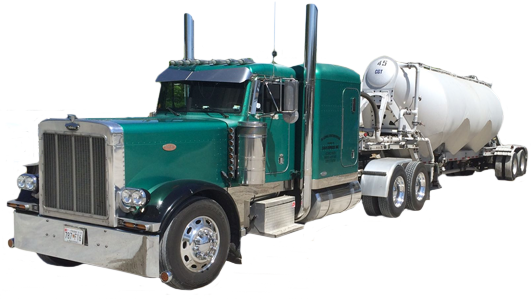
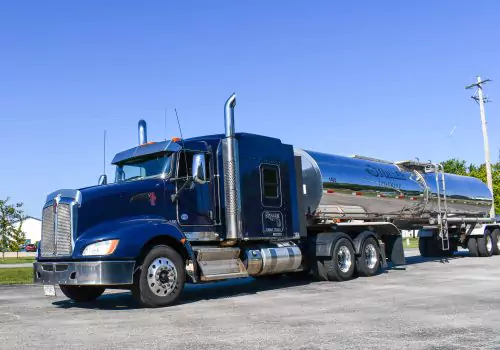
The use of tankers is vital in the logistics industry by enabling the secure and effective transport of liquid commodities. This dedicated transport method is important for delivering various liquids, including chemicals, petroleum products, and edible fluids. Tanker vehicles feature advanced safety features to prevent leaks and spills, which are critical for protecting the environment and public health.
Tanker transport planning demand thorough preparation, like route selection and compliance with regulatory standards. The equipment used have to comply with strict safety rules, guaranteeing that the contents are transported securely. In addition, skilled staff supervise loading and unloading processes to ensure efficiency and safety.
The economic impact of tanker transport is significant, as it comprehensive article helps diverse businesses by facilitating the on-time movement of essential liquids. As a result, efficient tanker operations is crucial for keeping the supply chain robust and meeting consumer demands in an increasingly interconnected marketplace.
Transporting Dry Bulk: Moving Solid Goods
A significant portion of the logistics industry utilizes dry bulk hauling for the effective movement of solid materials. This method is essential for moving goods such as grains, plastics, minerals, and fertilizers. Different from liquid bulk, dry bulk materials require specialized equipment, including specialized trailers and walking floor trucks, designed to facilitate loading and unloading processes. Effective handling of these solid materials is crucial, as improper management can lead to contamination and spillage, impacting the environment as well as supply chain reliability
Furthermore, dry bulk hauling often involves managing intricate logistical challenges, including scheduling and route design, to guarantee minimal delays. The impact of this service extends beyond mere transportation; it underpins many industries, from agriculture to construction, by ensuring materials are available of essential materials - Illinois top rated Bulk Trucking. As a result, dry bulk hauling is a core element of the overall logistics structure, promoting efficiency and reliability in the supply chain
Bulk Freight Management: Optimizing Processes
Efficient management of bulk freight operations plays a fundamental role in improving logistical efficiency and guaranteeing prompt arrival of goods. This involves managing several components, such as movement, storage, and processing of bulk materials. Successful methods include route optimization, which reduces travel duration and decreases energy consumption. Additionally, implementing technology for tracking shipments provides greater insight and permits instantaneous changes.
Collaboration among stakeholders is essential; producers, carriers, and receivers must communicate effectively to align schedules and expectations. Employing specific machinery, like specialized trailers or bulk tankers, helps optimize processing, cutting down on transit times.
Stock control is also crucial, as accurate forecasting helps keeping optimal stock quantities and prevents delays. By integrating these practices, companies can markedly improve their bulk freight operations, resulting in reduced costs and increased customer satisfaction. Taking a comprehensive view to freight management is essential for preserving competitive advantage in the logistics sector.
The Future of Bulk Trucking in Logistics
As technological advancements continue to shape the logistics landscape, the outlook for bulk hauling presents exciting prospects for improved efficiency and greater sustainability. Illinois top rated Bulk Trucking. Innovations such as autonomous vehicles and advanced route optimization software will fundamentally change how operations run. Such technologies have the capacity to reduce fuel use, lower running expenses, and shorten delivery schedules, thus making bulk hauling more competitive
Furthermore, the integration of data analytics and the Internet of Things (IoT) will enable real-time tracking of shipments, improving clarity for customers and improving inventory management. Since environmental legislation is becoming more stringent, the shift toward alternative power sources, such as electric and hydrogen-powered trucks, will be increasingly common, contributing to a greener supply chain
Ultimately, the future of bulk trucking in logistics will be characterized by a commitment to efficiency, sustainability, and technology-driven solutions, positioning it as an essential component of modern supply chains
FAQs
How Does Bulk Trucking Affect the Environment
Bulk hauling affects the environment through greenhouse gas emissions, acoustic contamination, and potential harm to infrastructure. Furthermore, moving heavy commodities may result in the wearing away of soil and greater consumption of power, harming local environments and atmospheric conditions.
How Does Legislation Impact Bulk Trucking
Regulations considerably affect bulk trucking operations by mandating safety protocols, emissions controls, and restrictions on vehicle weight. Adhering to these rules affects running expenses, delivery timelines, and decisions regarding fleet composition, thereby defining the performance of supply chains.
What Safety Measures Are Implemented in Bulk Trucking
Safety measures in bulk trucking include regular vehicle inspections, comprehensive driver education, strict observance of load restrictions, utilizing proper cargo securing techniques, equipping vehicles with GPS trackers, and compliance with federal and state safety regulations to minimize risks.
How Can I Choose the Right Bulk Trucking Company
When selecting an appropriate bulk hauling firm, it is necessary to review their safety performance, industry experience, the capacity of their vehicle fleet, feedback from clients, the rates they charge, and service areas, ensuring alignment with specific transportation needs and adhering to rules for maximum performance.
What Technological Tools Are Employed in Bulk Hauling Logistics
Bulk hauling operations utilize technologies like GPS monitoring, route planning applications, telematics systems, and electronic logging devices. These technologies improve performance, improve communication, and ensure adherence to legal requirements, thereby simplifying the hauling procedure.